Share numbering and call management
Use a distributed UCP and SIP interconnection to organize internal calls between sites.
Products
Every OpenVox product line, from PBX systems to gateways and accessories.
View all 184 productsIPPBX and phones
Cards and accessories
Connect my sites
Modernize what I have
Connect headquarters, branches, and remote offices through a shared SIP voice architecture while preserving the local access each site still needs. Standardize dialing and inter-site calls, then extend the same operating model as sites are added.
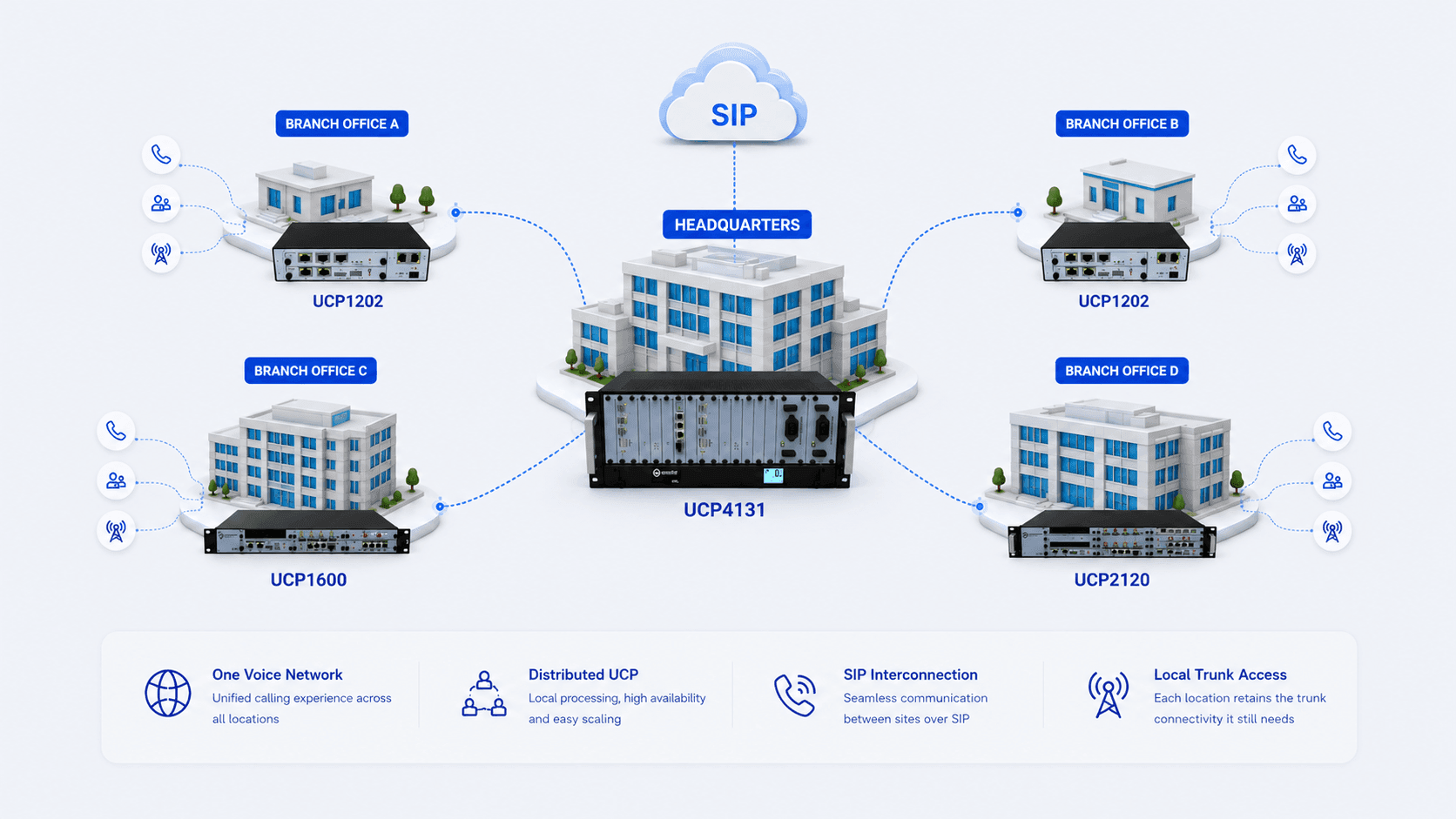
Headquarters, branches, and remote buildings may each maintain their own numbering, call rules, trunk, and mix of equipment.
This fragmentation makes inter-site calls harder to standardize and requires every expansion to revisit the same design decisions. A shared voice model brings sites together without removing the local access each still needs.
Use a distributed UCP and SIP interconnection to organize internal calls between sites.
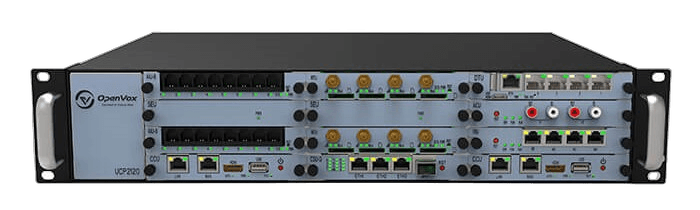
Use UCP1202, UCP1600, or UCP2120 according to the number of local users, processing, and service module requirements.
Add offices through a defined relationship between UCP4131 at headquarters and the selected branch UCP.
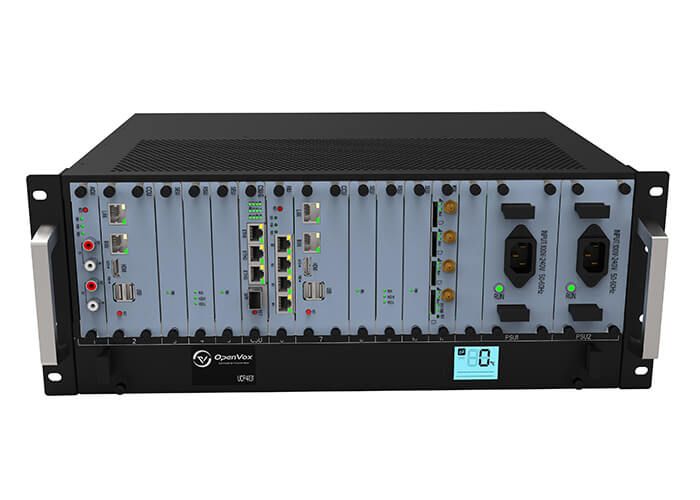
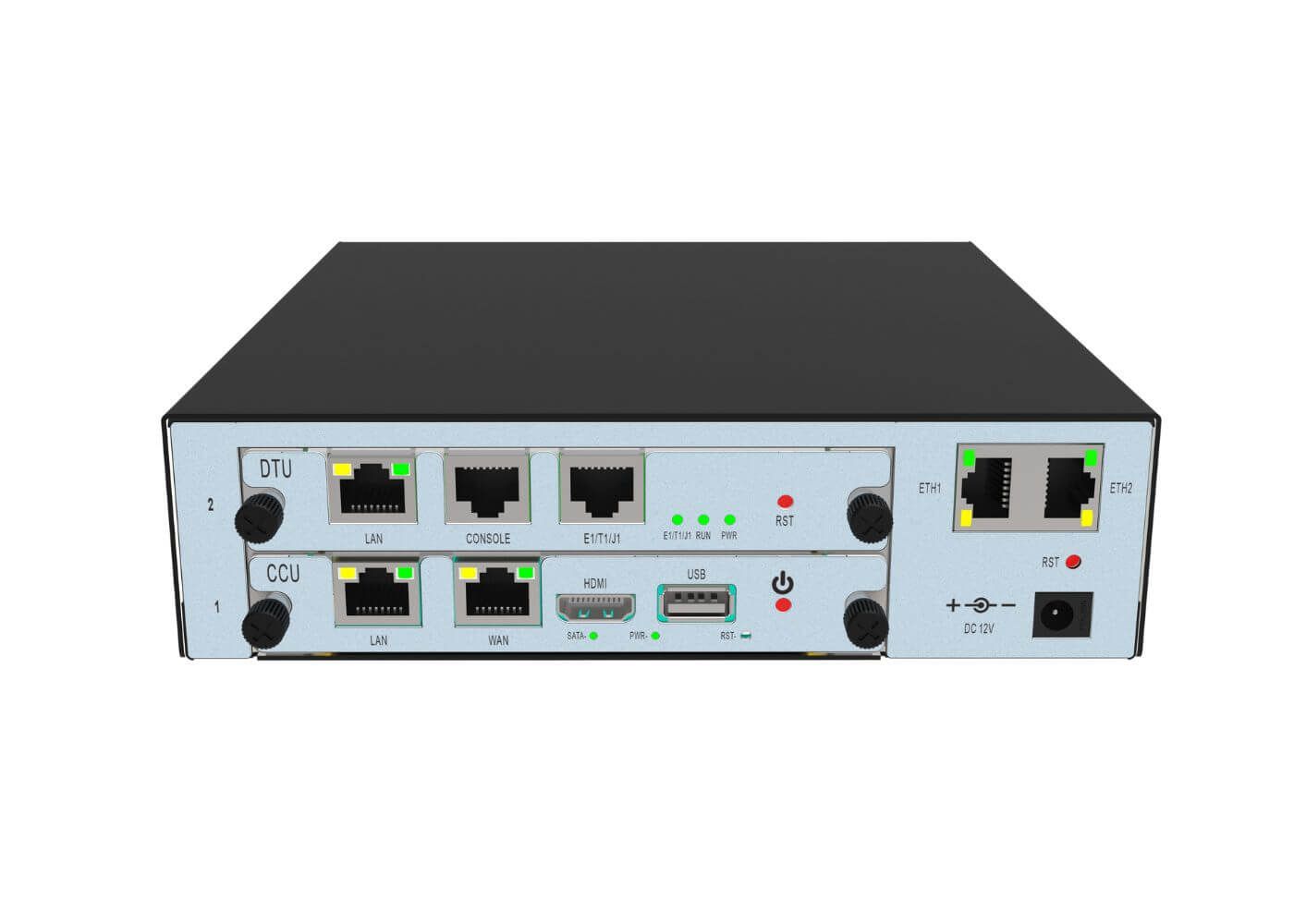
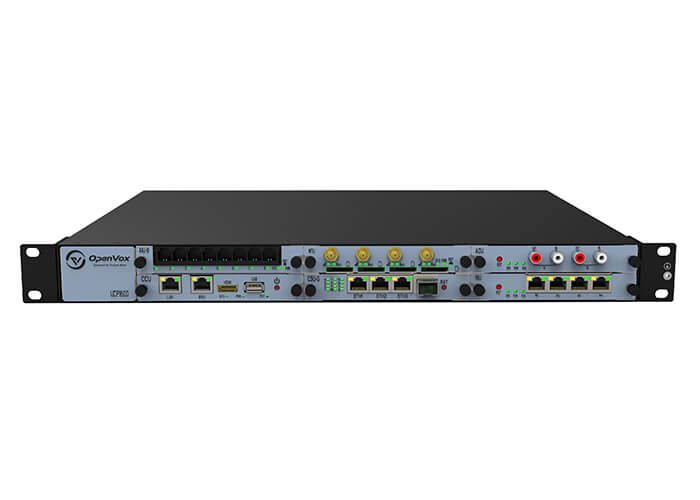
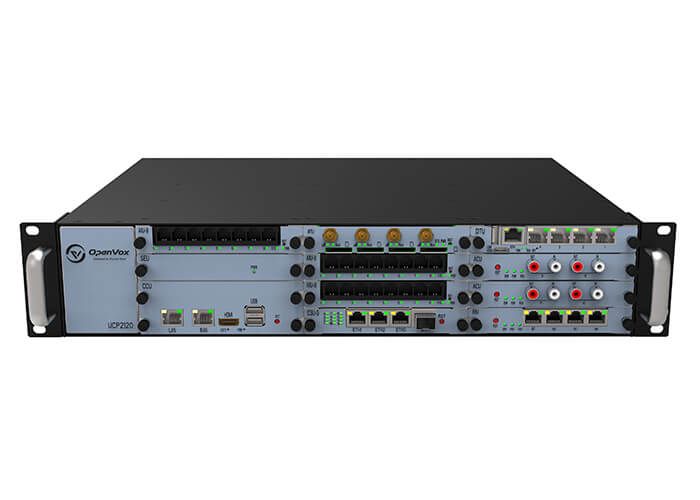
UCP4131 provides the headquarters anchor, while UCP1202, UCP1600, and UCP2120 cover different branch scales via SIP interconnection and shared numbering.
Organize internal calls between headquarters, branches, and remote buildings.
Match branch users, local processing, and service module requirements to the appropriate UCP chassis.
Preserve the carrier and endpoint access each site still needs without changing the shared SIP plan.
Shared management, numbering, and SIP service anchor
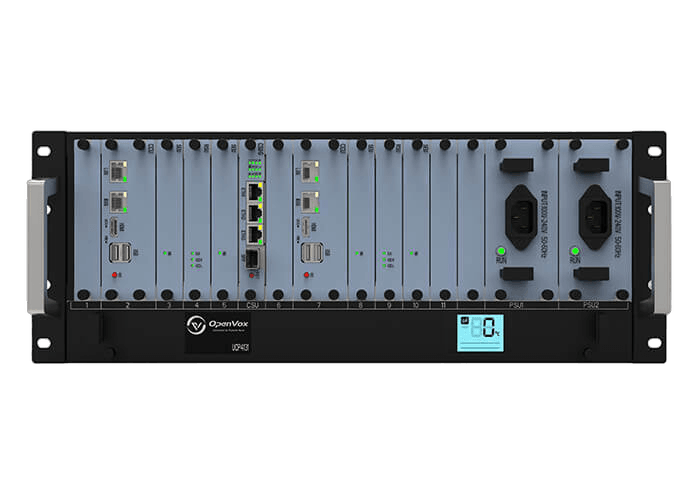
Compact local calling for small offices
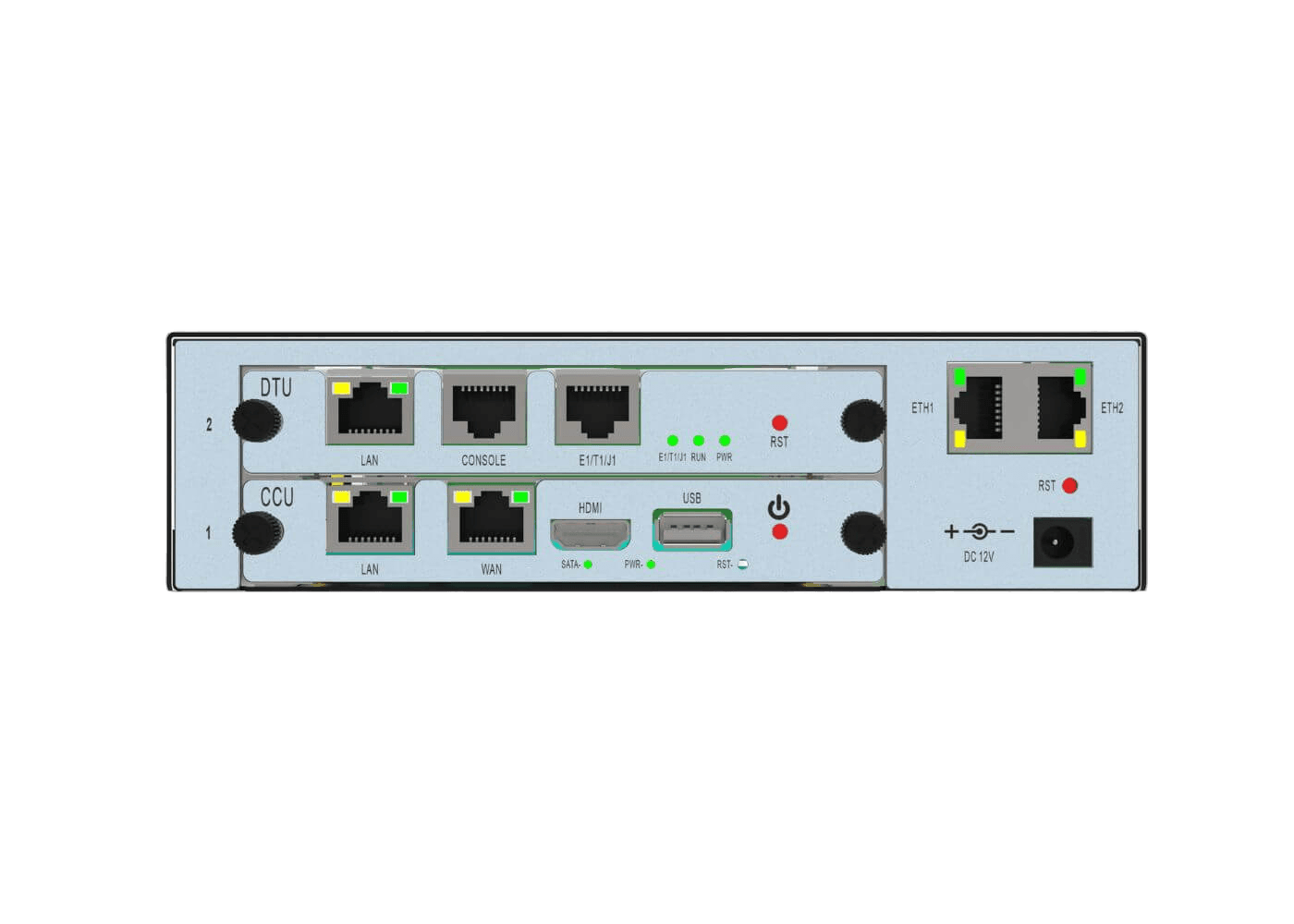
More local users and service module capacity
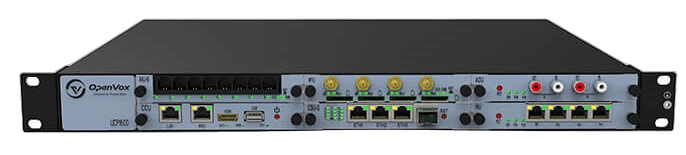
Broader local access and call processing role
A single internal and inter-site call plan
A multisite design works when UCP4131 establishes the common call model and each branch uses the UCP chassis that matches its local scale and access requirements.
Coordinate management, dialing, and SIP interconnection across the organization.
Provide local calling and a service module slot for a small office.
Support a larger branch with more local users and modular service capacity.
Provide more service module capacity for a mid-size branch while retaining the shared SIP plan.
UCP4131 anchors shared management and dialing. UCP1202, UCP1600, and UCP2120 handle local users while following the agreed inter-site call model.
Document the access each branch retains without turning the selected UCP product into an unrelated gateway illustration.
UCP supports SIP interconnection and short dialing between headquarters and branch users.
Inventory each location, define the shared call relationship, assign local access and continuity roles, then reuse the defined model for future sites.
Record users, endpoints, local trunks, and service module needs at each location.
Use UCP4131 as the anchor for shared management, dialing, and SIP interconnection.
Select UCP1202, UCP1600, or UCP2120 according to local scale and access requirements.
Test inter-site calling, local access, and recovery behavior before repeating the model.
UCP4131, UCP1202, UCP1600, and UCP2120 cover different site scales while remaining part of the same SIP interconnection and dialing plan.
Final model selection follows user scale, service modules, local access, and resilience requirements.
The 4U platform supports the broadest service module and controller options in the UCP family.
The compact chassis supports a smaller user environment and a service card role.
The 1U model provides a larger modular branch role within the same UCP architecture.
The 2U model provides two controller slots and expanded service module capacity.
Share the headquarters and branch map, user accounts, local trunks, service module needs, internal calling requirements, and continuity priorities. OpenVox can help select the UCP role for each site.
Describe your requirements. Our team can help you select and plan your OpenVox solution.